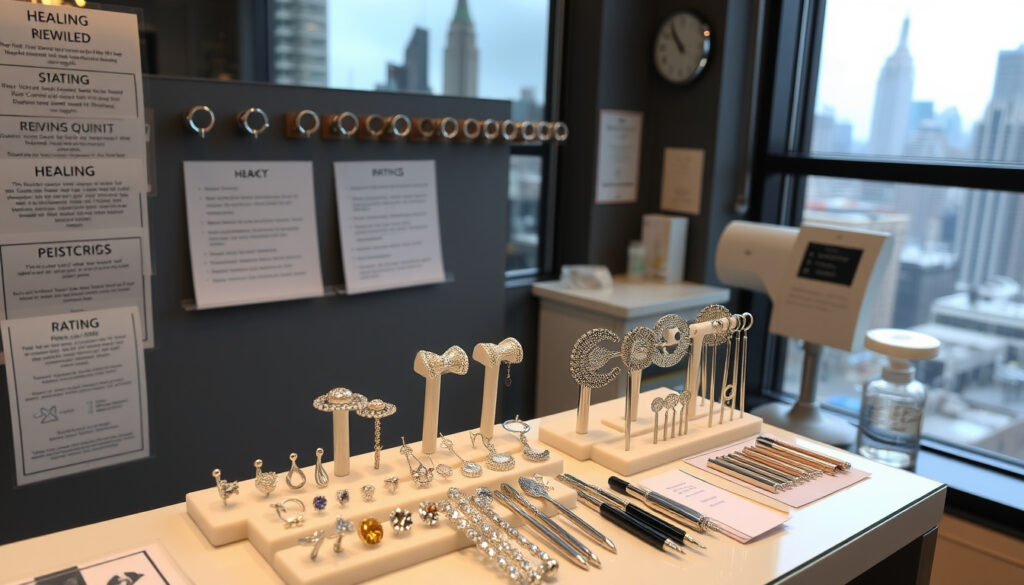
Nose Piercing Near Me – Top NY Studios Costs Healing Safety
Searching for a nose piercing near me typically means finding a studio that prioritizes safety, uses sterile equipment, and employs certified professionals. While mall kiosks and jewelry chains advertise quick and inexpensive options, the difference in technique, jewelry quality, and long-term outcomes can be substantial. Understanding what to look for—whether it’s pricing, healing time, or professional credentials—helps first-timers and experienced piercing enthusiasts make informed decisions.
New York and surrounding areas offer several professional piercing studios with trained specialists who handle nose piercings as part of broader body piercing services. These establishments typically operate by appointment and emphasize proper aftercare education. The choice between a walk-in studio and a scheduled consultation can affect everything from jewelry selection to healing expectations.
Where Can I Get a Nose Piercing Near Me?
Locating a reputable nose piercing studio starts with understanding the difference between professional body piercing establishments and retail kiosk counters. Professional studios in the New York area employ piercers with specific training in anatomy, sterilization, and jewelry compatibility. Several standalone piercing studios have emerged as preferred options over mall-based alternatives.
- APP-certified studios use sterile single-use needles rather than piercing guns
- Walk-in availability varies; some studios require appointments
- Nose piercing costs range from $22 to over $60 depending on studio and location
- Jewelry quality significantly affects healing outcomes and comfort
- Professional studios provide aftercare education as standard practice
- Mall kiosks like Claire’s use piercing guns, which professionals strongly advise against
| Piercing Type | Cost Range | Healing Time | Pain Level |
|---|---|---|---|
| Nostril Stud | $30-60+ | 4-6 months surface | Low-Medium |
| Septum | $35-65+ | 6-8 months | Low-Medium |
| High Nostril | $40-70+ | 6-12 months | Medium |
| Bridge | $45-75+ | 8-12 months | Medium |
Studio 28 in the NYC Flower District welcomes walk-ins Monday through Sunday from noon to 6:30 PM, with APP-certified piercers handling nose piercings as part of their ear and cartilage expertise. Amulet Arts in Patchogue, Long Island operates by appointment only, promoting exclusive artistic environments with high-quality jewelry. The End Is Near in Brooklyn Park Slope offers professional body piercings including nose work, with appointments preferred but walk-ins accepted when available, seven days a week.
Gomleshko Studio in New York lists nose piercing starting at $22 for the service, with procedures taking 20-30 minutes and jewelry sold separately. Piercings By Carlina in Goshen, New York operates on limited hours, with Sunday availability from 11 AM to 4:30 PM and closures on Mondays. None of the listed studios confirm operating at 11 PM, so checking current hours directly remains advisable before visiting.
Professional vs. Mall Studios
The distinction between professional piercing studios and mall kiosks extends beyond convenience. Professional establishments employ single-use sterile needles, conduct individual consultations for jewelry selection, and provide detailed aftercare instructions. Mall counters typically use piercing guns, which cannot be fully sterilized and may cause tissue trauma. Studios like Amulet Arts explicitly advise against mall-based piercing for safety reasons, citing infection and rejection risks associated with improper equipment and low-grade metals.
How Much Does a Nose Piercing Cost?
Nose piercing pricing varies based on studio reputation, geographic location, piercer experience, and jewelry selection. The service fee alone typically ranges from $22 to over $60, with the lower end representing basic nostril piercings at more affordable studios. Higher-end establishments with APP-certified piercers and premium environments often charge $40-75 or more for the same service type.
Jewelry costs are separate from piercing fees at most studios. Quality implant-grade metals like titanium range from $20 to $100 depending on design and material.
Gomleshko Studio advertises nose piercing starting at $22 for the service component, though jewelry costs add to the total. Studio 28 and Amulet Arts emphasize quality over low price points, with their service fees reflecting certified expertise and premium jewelry curation. When budgeting for a nose piercing, prospective clients should expect to add jewelry costs on top of the piercing fee, potentially doubling the total expenditure compared to initial quotes.
What Affects Total Cost?
Several factors contribute to the overall cost of a nose piercing beyond the base service fee. Jewelry material represents the largest variable—starter pieces in implant-grade titanium or solid gold cost more than basic surgical steel or low-grade metal options. Studio location affects pricing, with New York City establishments often charging higher rates than upstate or Long Island locations. Piercer certification and experience level also influence fees, with APP-certified professionals commanding premium rates for their training and verified safety practices.
Hidden Costs to Anticipate
Initial quotes often exclude several expenses that clients should anticipate. Aftercare products—saline solution, specialized cleaners, and cleaning cloths—represent a small ongoing cost. Follow-up visits, while typically included at professional studios, may incur charges at establishments with different policies. Jewelry upgrades after initial healing require additional purchases, as starter pieces differ from long-term wear options. Downsizing jewelry as healing progresses may also require professional assistance with associated service fees.
Does a Nose Piercing Hurt and How Long Does It Take to Heal?
Pain perception varies significantly among individuals, but professional nose piercing techniques minimize discomfort through precise placement and single-use needles. The actual piercing procedure typically lasts under a minute, with the entire appointment—consultation, marking, piercing, and aftercare instruction—running 20-30 minutes. Most clients describe the sensation as a brief pinch or pressure rather than sustained pain.
Clean the piercing twice daily with sterile saline solution. Avoid touching the jewelry with unwashed hands and resist rotating the piece during the initial healing period.
Healing timelines differ by piercing location and individual health factors. Surface healing—where the external wound closes—typically requires 4-6 weeks for nostril piercings. Full internal healing, however, may take 6-12 months before the tunnel fully stabilizes around the jewelry. Septum piercings often heal faster on the surface due to tissue type, while bridge piercings require longer periods due to thinner skin placement.
Stages of the Healing Process
The healing process follows predictable stages that clients can monitor. During the first week, redness, swelling, and minor discharge are normal responses indicating the body beginning its repair process. Weeks two through four show gradual reduction in symptoms, with the piercing site appearing less irritated while still requiring careful cleaning. Months two through six involve continued internal healing, with the jewelry tunnel maturing and stabilizing around the metal. Full maturity may take up to a year, at which point the piercing typically tolerates jewelry changes and reduced cleaning frequency.
Factors That Affect Healing
Several variables influence how quickly a nose piercing heals. Jewelry quality matters significantly—implant-grade titanium and solid gold promote faster healing compared to lower-quality metals that may cause reactions. Aftercare consistency plays a major role, with regular saline cleaning and avoiding trauma accelerating recovery. Individual health factors including immune function, smoking habits, and underlying conditions can extend healing timelines. Environmental exposure to dirt, chlorine, and excessive moisture may also complicate the healing process.
What Are the Safest Nose Piercing Options?
Safety in nose piercing encompasses equipment selection, jewelry materials, and studio hygiene practices. The Association of Professional Piercers (APP) establishes industry standards that certified studios follow, including single-use needles, sterilization protocols, and biocompatible jewelry requirements. Choosing an APP-certified establishment significantly reduces risks associated with infection, allergic reaction, and tissue damage.
Piercing guns used at mall kiosks cannot be properly sterilized and cause blunt trauma to tissue. Professionals strongly recommend avoiding establishments that use guns rather than needles.
Implant-grade titanium represents the safest jewelry option for initial piercings and long-term wear. This material offers biocompatibility, meaning the body accepts it without allergic reactions in most cases. Surgical steel contains nickel in some alloys, potentially causing reactions in sensitive individuals. Gold must be at least 14 karats and alloyed appropriately to avoid contamination. Studio 28 explicitly highlights their use of fine jewelry and precision technique as safety measures, while Amulet Arts promotes their exclusive piercing environment designed for client protection.
Understanding APP Certification
The Association of Professional Piercers represents the gold standard for piercing safety and training in North America. APP certification requires completion of rigorous safety coursework, demonstrated knowledge of anatomy and bloodborne pathogen protocols, and ongoing adherence to sterilization standards. Studios displaying APP certification—visible at Studio 28—have undergone verification processes that non-certified establishments have not completed. Clients seeking the safest piercing experience should specifically inquire about APP certification before booking appointments.
Types of Nose Piercings Available
Professional studios offer several nose piercing options determined through consultation based on individual anatomy and aesthetic preferences. Nostril piercings remain the most common variety, placed through the fleshy side wall of the nose. Septum piercings pass through the cartilage dividing the nasal passages, with placement varying based on individual anatomy. High nostril piercings position through the upper curve of the nostril, offering a more dramatic look. Bridge piercings cross the skin at the bridge of the nose, though placement options have narrowed due to rejection risks in this area.
Can Minors Get a Nose Piercing?
Age requirements for nose piercing vary by jurisdiction and establishment policy. In New York State, minors under 18 generally require parental consent to receive body piercings. This consent typically must be provided in-person, though some studios accept notarized written consent from parents or legal guardians. Individuals 18 and older face no state-mandated restrictions, though individual studios maintain their own policies. To find a studio that prioritizes safety, sterile equipment, and certified professionals, as detailed in Etapa 1 melanoma lunare, search for a nose piercing near you.
Studio policies often exceed state minimums regarding age restrictions. The End Is Near in Brooklyn, for example, maintains a policy against piercing children under 14, regardless of parental consent. Prospective minor clients should contact studios directly to confirm their specific age requirements before scheduling appointments. These policies exist to ensure client maturity for proper aftercare and reduce liability for studios.
Parental Consent Requirements
When parental consent is required, studios typically ask for a parent or legal guardian to be present during the piercing procedure. The consenting adult may need to present identification and sign documentation confirming their relationship to the minor. Some studios accept notarized consent forms, allowing parents to authorize piercings without being physically present, though these policies vary by establishment. The notarized consent approach provides flexibility for families traveling from longer distances or with scheduling constraints.
Age Considerations and Studio Policies
Beyond legal requirements, studios evaluate whether minors possess the maturity and responsibility necessary for proper aftercare. Nose piercings require cleaning twice daily for months, avoiding certain activities, and recognizing signs of infection. Some studios decline to pierce minors based on age or perceived readiness, regardless of parental authorization. Others may require parents to commit to overseeing aftercare routines during the healing period. Calling ahead to discuss specific policies eliminates surprises during the booking process.
Healing Timeline: What to Expect Month by Month
Understanding the expected progression of a nose piercing helps clients plan for the commitment involved. The timeline below represents typical healing trajectories for nostril piercings, though individual experiences vary based on health factors and aftercare consistency.
- Week 1: Initial healing begins with expected redness, swelling, and possible minor bleeding. Crust formation around jewelry entries occurs normally. Cleaning should be gentle, using saline solution without removing jewelry.
- Weeks 2-4: Surface symptoms gradually diminish, with the piercing site appearing less inflamed. Discharge may continue but should remain clear or slightly white. Jewelry should remain undisturbed during this critical phase.
- Months 2-3: The piercing tunnel matures as internal tissues strengthen around the jewelry. Some jewelry changes become possible at professional studios if healing progresses well. Sensitivity to pressure or impact may still occur.
- Months 4-6: Most nostril piercings reach surface healing, appearing fully closed around the jewelry channel. Long-term jewelry options may become available based on studio assessment.
- Months 6-12: Full internal healing continues beneath the surface. Jewelry changes and more aggressive cleaning become safer as the channel stabilizes completely.
- After 12 Months: The piercing typically reaches full maturity and tolerates routine handling, jewelry swaps, and reduced maintenance. The tunnel remains permanently, though the hole may shrink if jewelry is removed for extended periods.
Myths vs. Facts: Separating Truth from Misconception
Numerous misconceptions surround nose piercing safety and process. Addressing these myths with factual information helps prospective clients make decisions based on evidence rather than hearsay.
| Claim | Status | Explanation |
|---|---|---|
| Nose piercings always get infected | Myth | Infections occur rarely when aftercare protocols are followed and professional equipment is used |
| Piercing guns are just as safe as needles | Myth | Guns cannot be sterilized and cause blunt trauma; needles are single-use and create clean puncture channels |
| Nose piercings reject easily | Partially True | Rejection happens with low-quality jewelry or improper placement, but quality materials and professional placement minimize this risk |
| Any jewelry metal works for piercings | Myth | Low-grade metals contain alloys that cause allergic reactions; implant-grade titanium and appropriate gold alloys are designed for body use |
| Healing times are the same for everyone | Myth | Individual health, aftercare consistency, and jewelry quality create significant variation in healing duration |
| Walk-in studios provide lower quality work | Myth | Walk-in availability at established studios like Studio 28 does not indicate compromised standards; certification and equipment quality matter most |
The most persistent myths center on safety perceptions shaped by negative experiences with improperly performed piercings. Mall-based establishments using outdated equipment have generated most anecdotal evidence against nose piercing safety, despite professional studios maintaining significantly different standards. Researching studio credentials, asking about equipment and materials, and reviewing APP certification status provides more reliable safety assessment than relying on general reputation.
Why Choosing a Professional Studio Matters
The decision between professional studios and mall kiosks affects immediate results, long-term outcomes, and overall piercing experience. Professional establishments invest in training, equipment, and ongoing education that retail counters cannot match. These differences manifest in sterilization protocols, jewelry quality, anatomical knowledge, and aftercare support.
Piercing guns used at mall establishments represent the most significant safety divergence. These devices create blunt trauma by forcing jewelry through tissue rather than creating clean puncture channels with surgical needles. The gun mechanism cannot be fully sterilized between clients, potentially transmitting bacteria and bloodborne pathogens. Professional studios use single-use needles that arrive sterile and are disposed of immediately after each procedure, eliminating cross-contamination risk.
Verify APP certification directly through the Association of Professional Piercers website before scheduling appointments. This confirms current membership rather than relying on studio claims alone.
Jewelry selection at professional studios also differs substantially. Rather than displaying rows of low-grade metal pieces, established studios curate collections featuring implant-grade titanium, solid gold, and other body-safe materials. Piercers guide clients through material options based on allergy history, budget, and aesthetic goals. The consultation process ensures selected jewelry suits individual anatomy and piercing placement, reducing rejection and migration risks.
What Industry Standards Say
The Association of Professional Piercers establishes standards adopted by certified studios across the industry. These standards address equipment, technique, jewelry materials, and studio environment requirements that protect client safety. Understanding these standards helps consumers evaluate prospective piercing establishments with objective criteria.
The APP requires members to maintain rigorous sterilization protocols, use single-use instruments wherever possible, and select jewelry made from materials proven biocompatible for long-term body wear. These standards exist because client safety depends on consistent implementation of evidence-based practices.
— Association of Professional Piercers Standards Documentation
Beyond equipment standards, APP certification requires demonstrated knowledge of anatomy, particularly for piercings placed in areas with elevated risk profiles. Nose piercings benefit from understanding nasal structure, cartilage composition, and optimal placement angles that minimize nerve or blood vessel interference. This anatomical knowledge distinguishes professional piercers from retail employees with minimal training.
Health organizations including the CDC provide general hygiene guidelines applicable to piercing environments. Professional studios implement these protocols through equipment sterilization, workstation sanitation, and single-use consumables. Clients can ask studios about their sterilization equipment and protocols—established professionals welcome these questions as evidence of client awareness rather than distrust.
How to Find the Right Studio Near You
Finding a quality nose piercing studio requires combining online research with direct verification. Search results and directories provide starting points, but personal verification ensures studios meet individual standards for safety, service, and environment. The process involves checking credentials, reviewing portfolio work, and communicating specific questions before committing to appointments.
For those exploring broader service searches, resources like Canadian Tire Richmond Hill hours and locations demonstrate how location-based directories help identify nearby options. Similar approaches apply to finding piercing studios—mapping tools combined with credential verification produce informed results. Learning how to find local services effectively supports better decision-making across various professional needs.
Before booking a nose piercing, verify APP certification status directly through the Association of Professional Piercers membership directory. Review studio portfolios demonstrating actual work quality. Contact studios with questions about their equipment, jewelry options, and aftercare support. These steps require minimal time investment while significantly improving the likelihood of satisfactory piercing outcomes.
Are nose piercings safe?
What are the different types of nose piercings?
How much does a nose piercing cost at professional studios?
Does nose piercing hurt?
How long does a nose piercing take to heal?
Can a minor get a nose piercing without parental consent?
Is Claire’s safe for nose piercings?
What jewelry is best for new nose piercings?
More related posts
 Lighthouse Pointe at Grand Lucayan – Status and Ownership
 IND vs SA Test 2025: Pant Captaincy, Gill Replacement, Records
 Kirk Douglas: Biography, Stroke, Marriage, and Estate
 Chef Anna Olson: Biography, Husband, Children, and YouTube
 Tennis US Open 2025 – Dates, Schedule, Tickets, Results
 Canada Child Benefit September 2025: Payment Guide
 30 Degrees Celsius to Fahrenheit – Exact Conversion Guide
 Vera Farmiga: Ethnicity, Religion, Languages, and Net Worth